Sliding sash uPVC windows: What homeowners should know
- 3 Sep 2026|
- News|
- Posted by Paul Davies
Sliding sash windows have defined the look of British homes for more than 300 years, from grand Georgian townhouses to ornate Victorian terraces. If you live in a period property, or simply love the classic vertical sliding style, you may be weighing up whether uPVC sliding sash windows can deliver that traditional appearance without the upkeep timber demands.
At The Little Window Company, we install uPVC sliding sash windows across Cheltenham, Cirencester, Stroud, Worcester and the wider Cotswolds, and we hear the same practical questions again and again. Here’s what’s worth knowing before choosing new windows for your home.
How does a sliding sash window work?
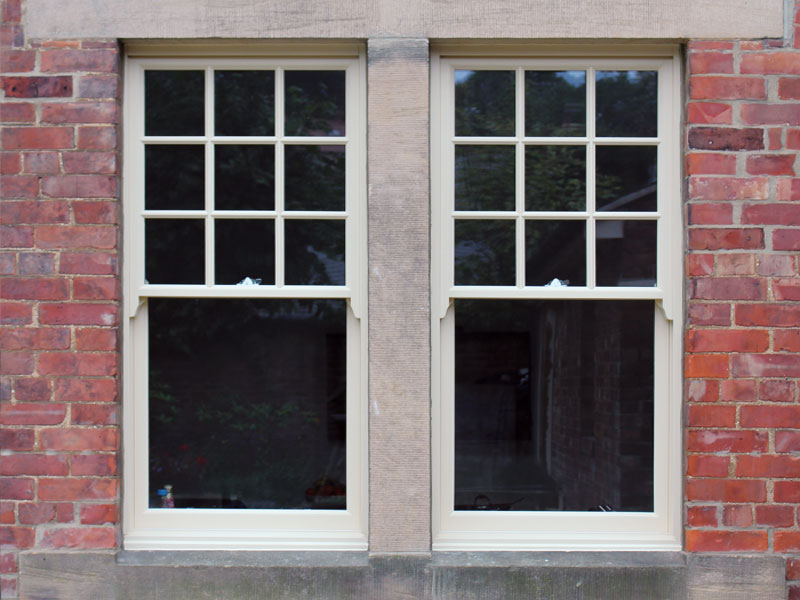
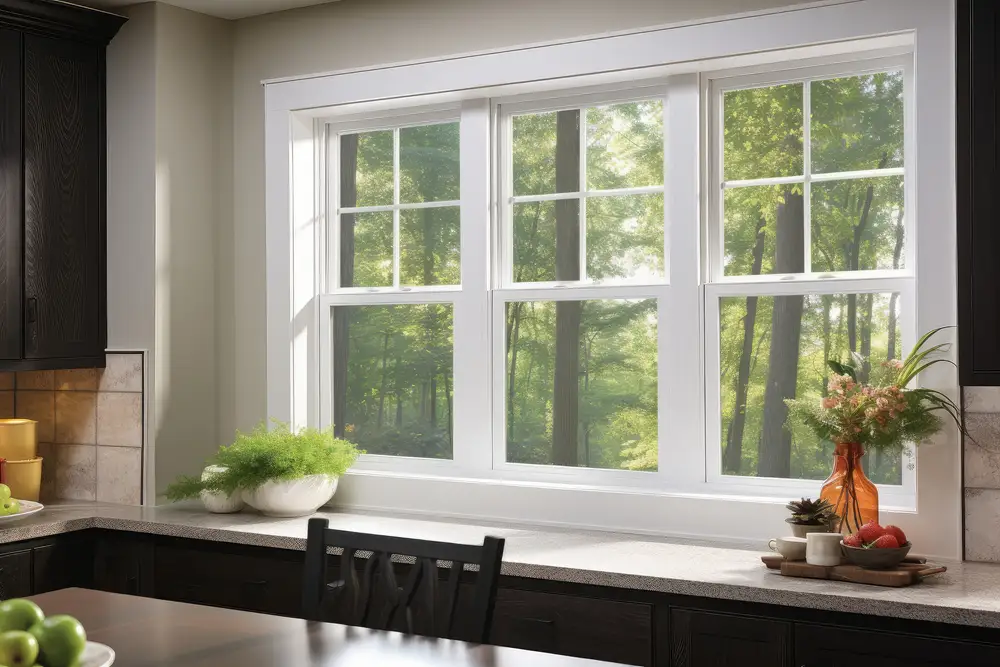
A sliding sash window is made up of two moveable panels, or sashes, that slide vertically within an outer frame. Original timber sash windows relied on a system of cords, pulleys and weights hidden inside the frame to counterbalance the sashes. Modern sash designs can use spring balance mechanisms instead, providing smooth operation without the traditional cords, pulleys and weights.
The upper and lower sashes can usually slide independently, and most modern designs also tilt inward, letting you clean the outside of the glass from indoors, even on an upper floor.
Sash locks and other security features can help provide a secure finish, while weatherseals help keep out draughts and reduce noise from outside.
uPVC vs timber sash windows: what’s the difference?
Traditional timber sash windows are valued for their natural material and authentic appearance, particularly in period and heritage properties. uPVC sash windows are designed to replicate the look of traditional timber while offering lower maintenance and modern performance.
The main differences include:
- Maintenance – timber requires regular upkeep and repainting, while uPVC needs little more than an occasional wipe down
- Thermal efficiency – both can benefit from modern glazing, helping improve thermal performance and reduce heat loss
- Durability – timber can require more care to prevent deterioration, while uPVC is resistant to rot and offers long-lasting performance
- Choice of finish – timber can be painted or stained, while uPVC is available in a range of colours and woodgrain finishes
Planning or heritage requirements may also affect your options in listed buildings and some conservation areas. Ultimately, the right choice depends on your property, budget and how much maintenance you’re prepared to take on.
Design options to suit your home
uPVC sliding sash windows offer numerous benefits beyond thermal performance, and can be tailored to suit almost any property. Options typically include:
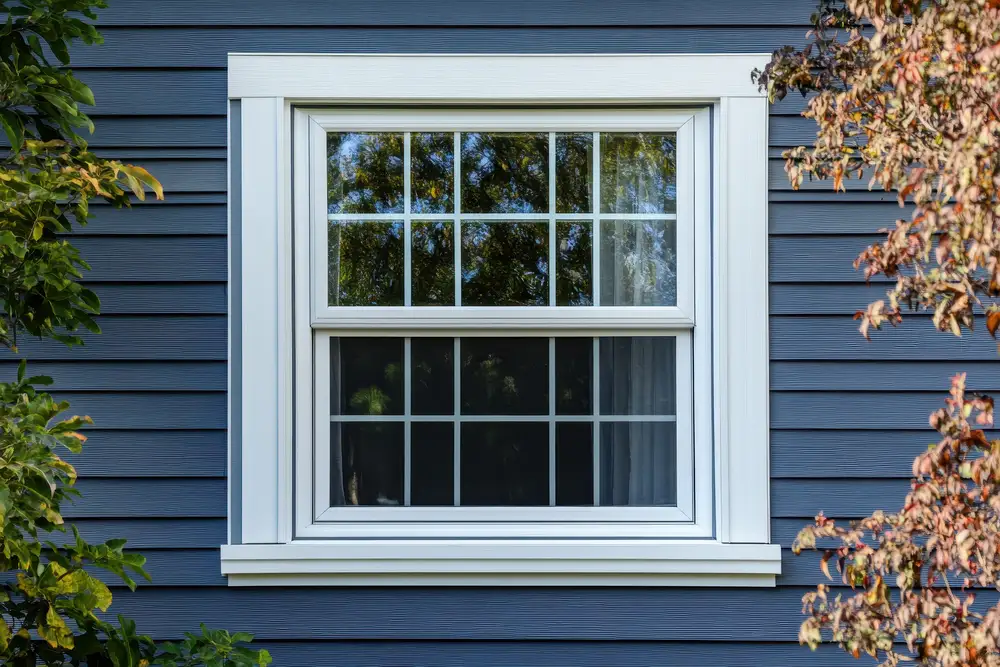
- decorative sash horns for Victorian authenticity, or a cleaner profile for a more contemporary look
- Georgian bars or astragal bars for classic glazing patterns
- heritage-style hardware finishes for sash locks and lifts
- woodgrain-effect foils that mimic the tone and texture of real timber frames
- a wide range of colours, including popular shades like Anthracite Grey, Chartwell Green, Irish Oak and Golden Oak
This flexibility makes uPVC a popular choice for period homes, modern homes and new builds. If uPVC isn’t the right fit for your project, we also supply timber and aluminium windows, so you’re never limited to one material.
Maintenance and lifespan
One of the main reasons homeowners choose uPVC over traditional timber sash windows is reduced maintenance. There’s no need for regular painting or varnishing, while routine care can help keep the windows operating smoothly.
- wipe frames with warm soapy water a few times a year
- keep drainage channels clear of leaves and debris
- have moving parts checked occasionally as part of routine upkeep
With reasonable care, quality uPVC sliding sash windows are built to give many years of dependable service, offering older properties and modern homes alike genuine peace of mind.
Frequently asked questions
Do uPVC sash windows cost less than timber?
Generally, yes. uPVC sliding sash windows tend to cost less to buy and maintain than traditional timber sash windows, though exact pricing depends on size, glazing specification and hardware finish. Speak to our team for an accurate quote tailored to your home.
Will uPVC sash windows suit my period home?
Manufacturers can replicate historic detailing closely, but whether uPVC sliding sash windows are suitable will depend on the property and any planning or heritage requirements that apply. Listed buildings and some conservation areas may have stricter requirements, so it’s worth checking before replacing your windows.
How long do uPVC sliding sash windows last?
With proper installation and basic care, uPVC sliding sash windows are designed to provide many years of reliable service. They are resistant to rot and require less maintenance than timber, while retaining their traditional appearance and secure operation over time.
Ready to explore sliding sash uPVC windows for your home?
Perhaps you’re renovating a period property in Cheltenham, or adding period charm to a new build elsewhere in the Cotswolds. Our friendly team can talk you through sash designs, colours and hardware to find the perfect solution for your home. Get in touch with The Little Window Company today for a free, no-pressure quote, or call us on 01242 681207.