Conservatories with sliding doors: Design ideas and benefits
- 10 Sep 2026|
- News|
- Posted by Paul Davies
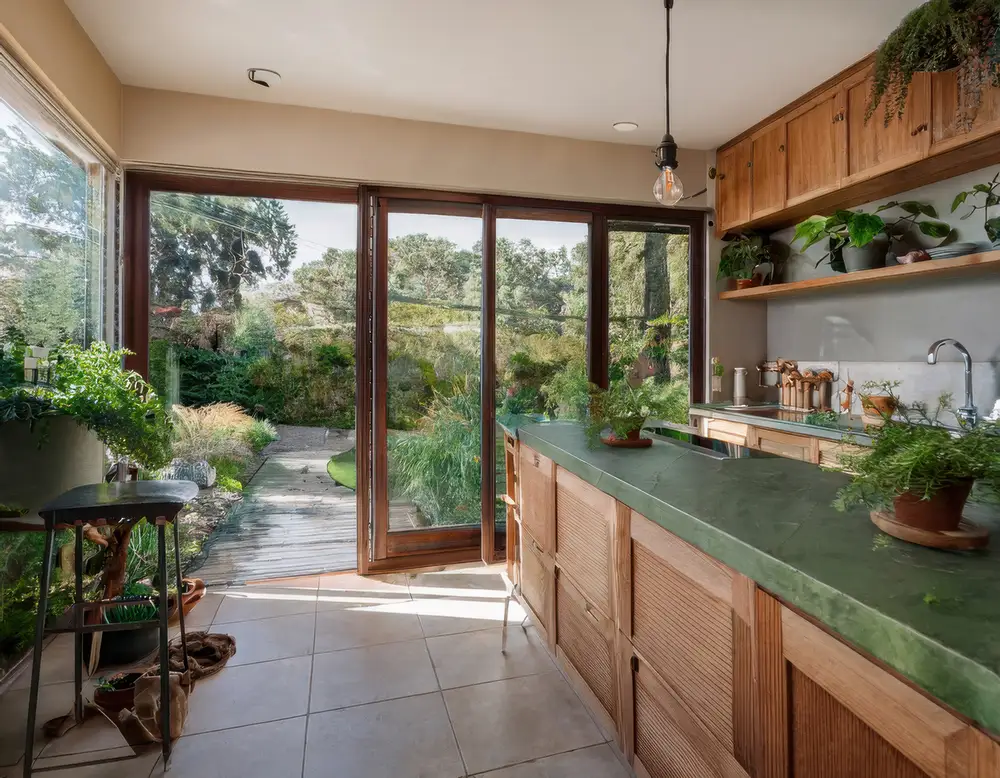
A conservatory should feel like a natural continuation of your garden, not a separate room stuck onto the back of your house. Sliding doors can help achieve that, offering large glass panels, natural light and unobstructed views of your garden.
With years of experience fitting patio doors into conservatories of different architectural styles, we know how much difference the right conservatory doors can make to how a room feels and functions. In this guide, we’ll look at what sliding patio doors involve, compare them with traditional hinged doors and bi-fold doors, and share some design ideas for your own conservatory.
What is a sliding patio door?
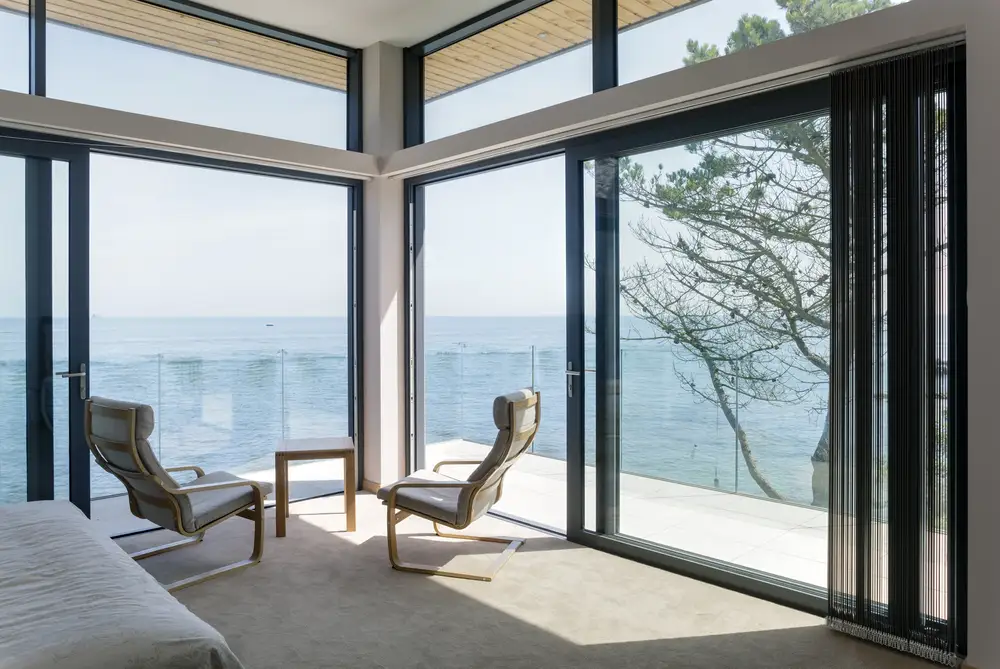
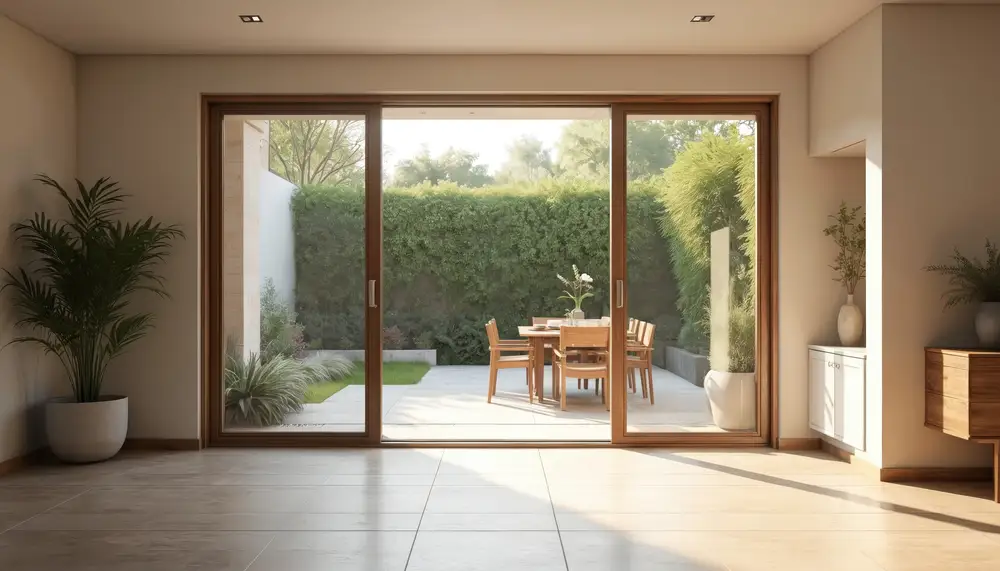
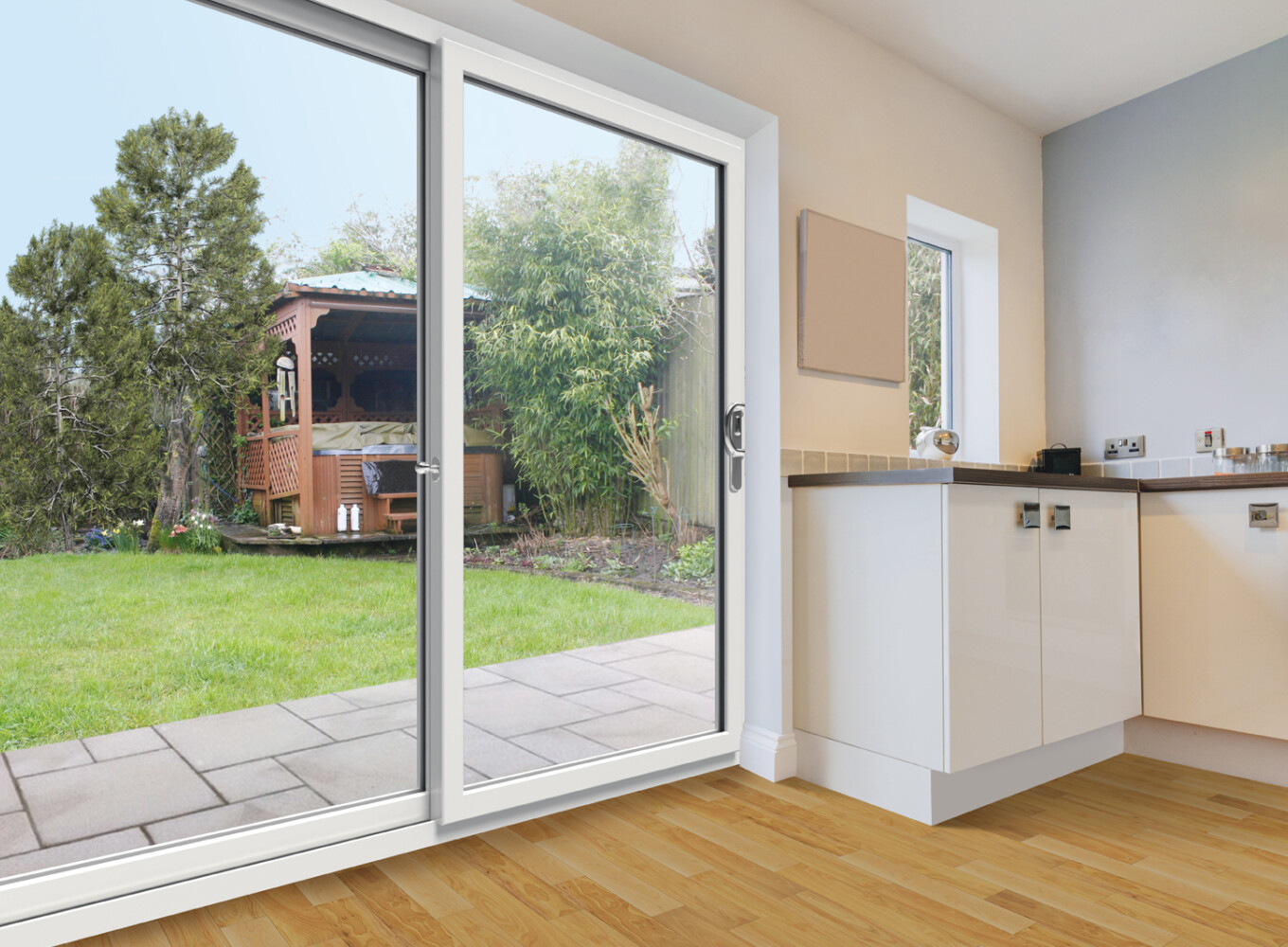
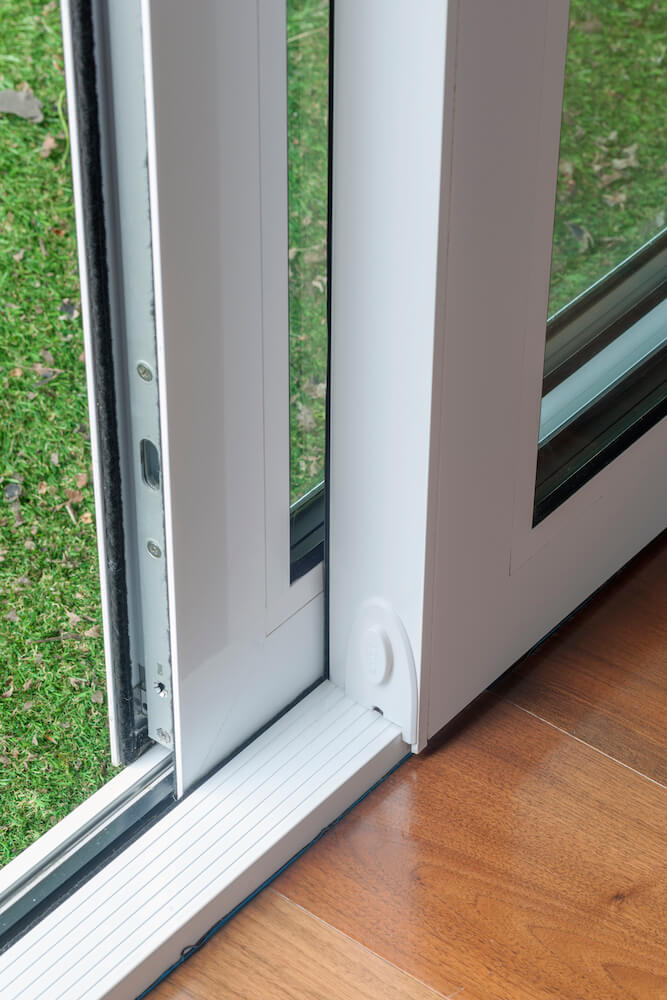
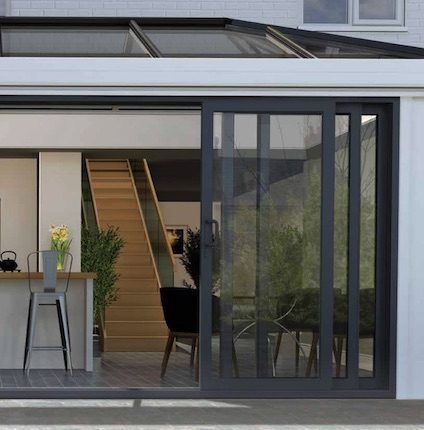
A sliding patio door is made up of large glass panels that glide along a track rather than swinging open on hinges. Depending on the system, one panel can remain fixed while another moves across it.
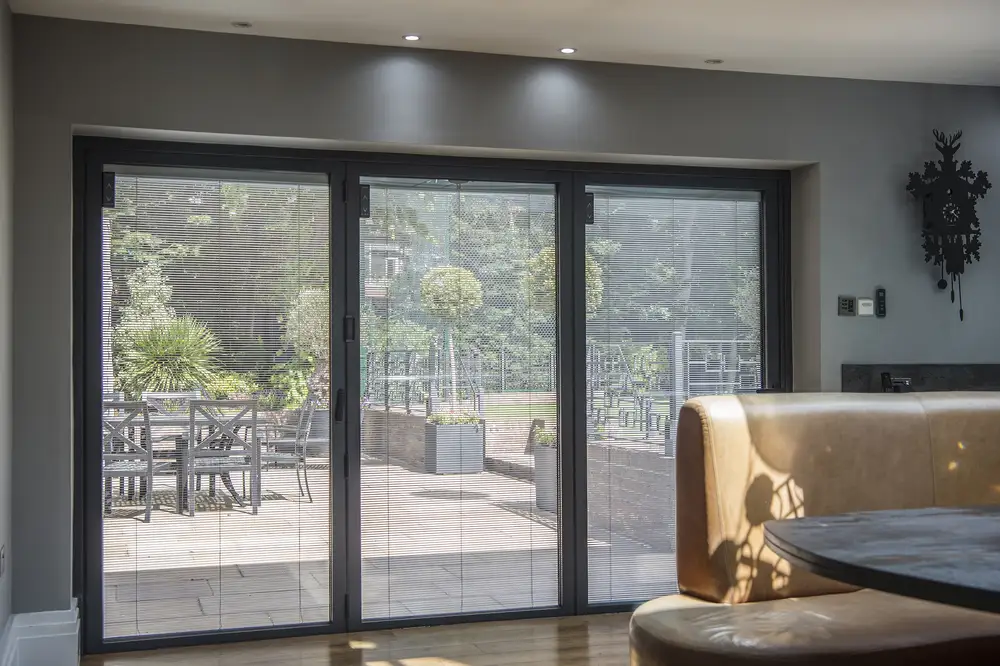
Because they don’t need the same clearance as hinged doors, sliding doors can help you make better use of your available indoor space. Large glass panels and slim sightlines also provide clear views of the garden, creating a seamless transition between your living space and outdoor space.
Why homeowners choose sliding doors for their conservatory
There are several reasons sliding doors work well in a conservatory, particularly when you want to make the most of your indoor and outdoor areas.
- Natural light. Large glass panels can help maximise natural light entering your conservatory, while slim frames provide unobstructed views of your garden.
- Thermal performance. Modern aluminium patio doors can incorporate thermal breaks to reduce heat transfer, while UPVC patio doors can also offer strong thermal performance depending on their specification.
- Easy access and valuable floor space. Sliding doors don’t need the swing clearance of traditional hinged doors, helping you make better use of valuable floor space. Low-threshold options on some systems can also help reduce trip hazards.
- Low maintenance. Aluminium and UPVC doors are relatively low maintenance, with regular cleaning helping to keep the frames and glass looking their best.
Sliding doors compared with your other door options
Sliding doors aren’t the only option for a conservatory. French and bifold doors can both work well, but each gives your space a different feel.
Sliding doors versus French doors
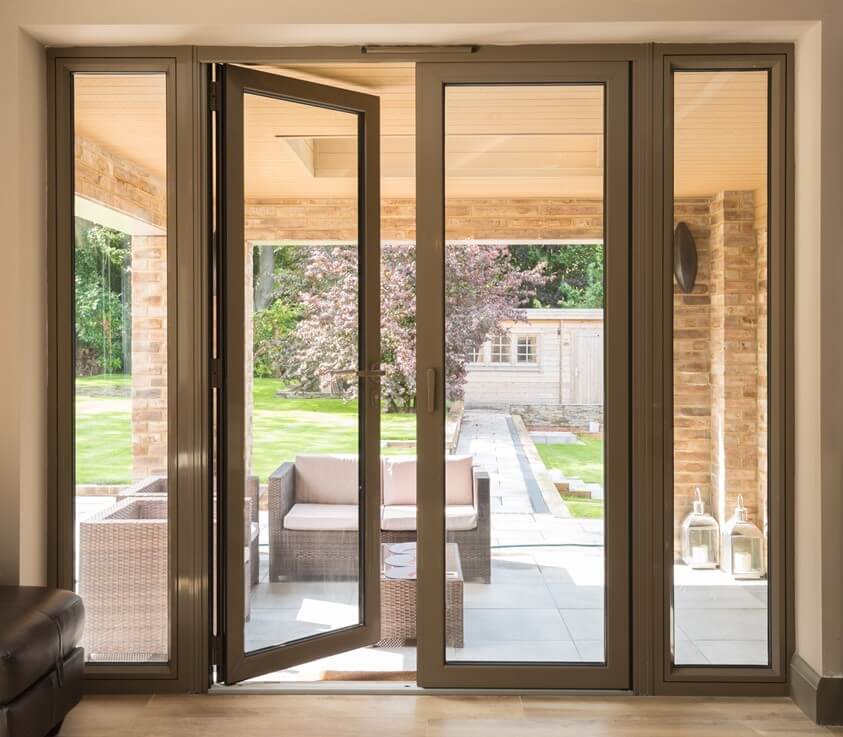
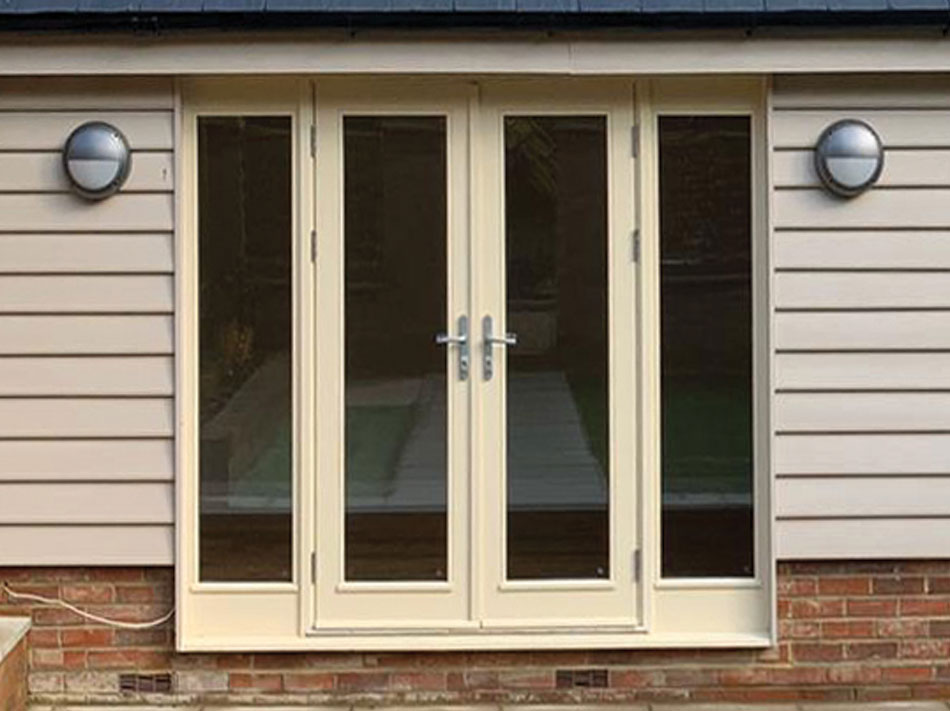
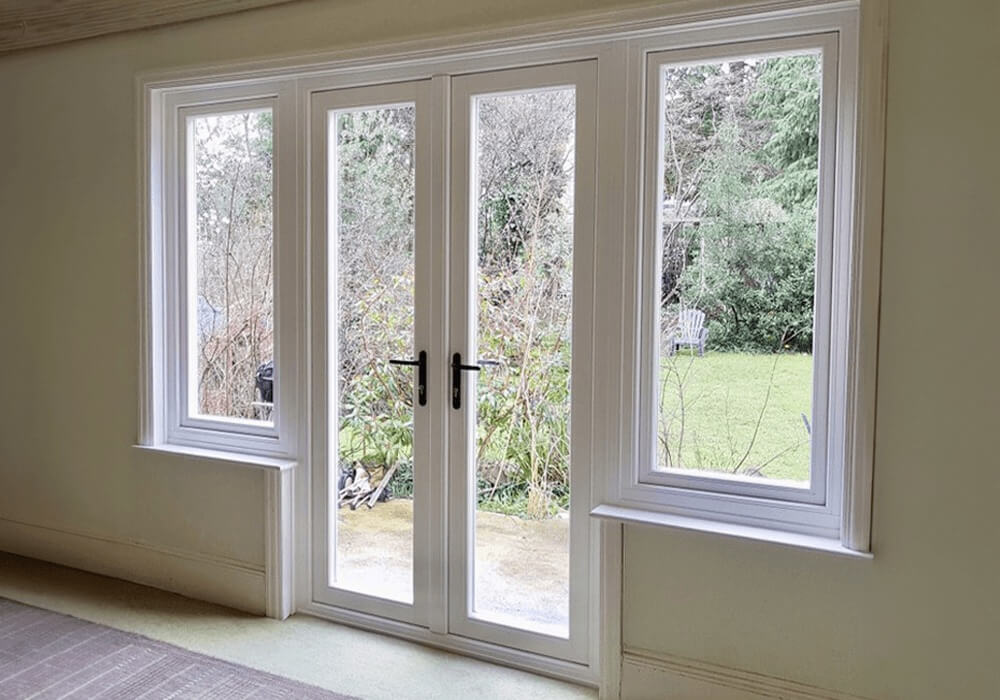
French doors offer a traditional look, with two hinged doors opening inwards or outwards. They work well where there is enough space around the doorway for them to open fully.
Sliding doors don’t need this swing clearance, making them practical where floor space is limited. Their larger glazed areas can also provide wider views of the garden when the doors are closed.
Sliding doors versus bifold doors
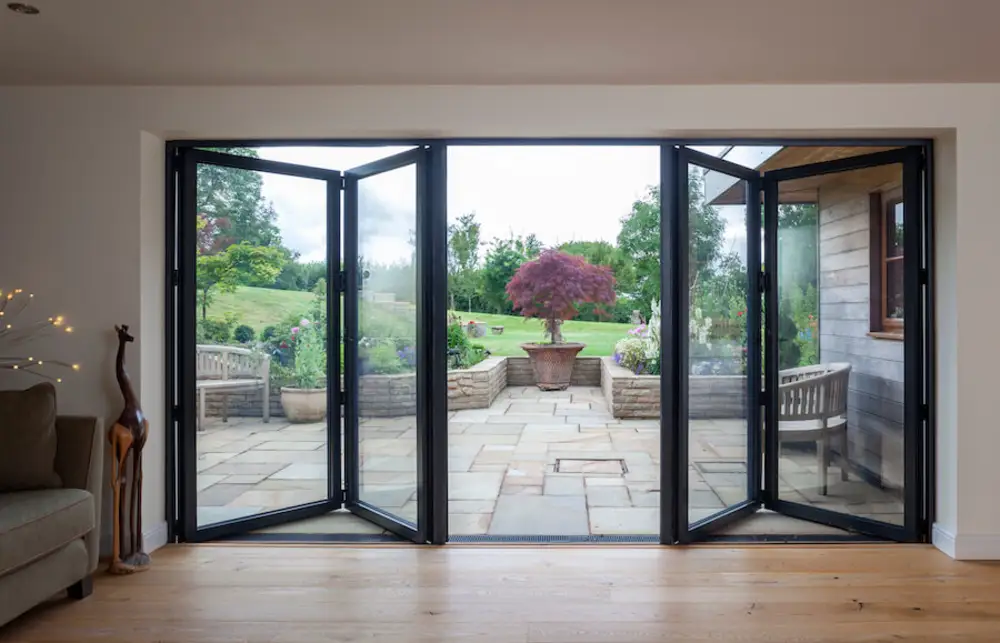
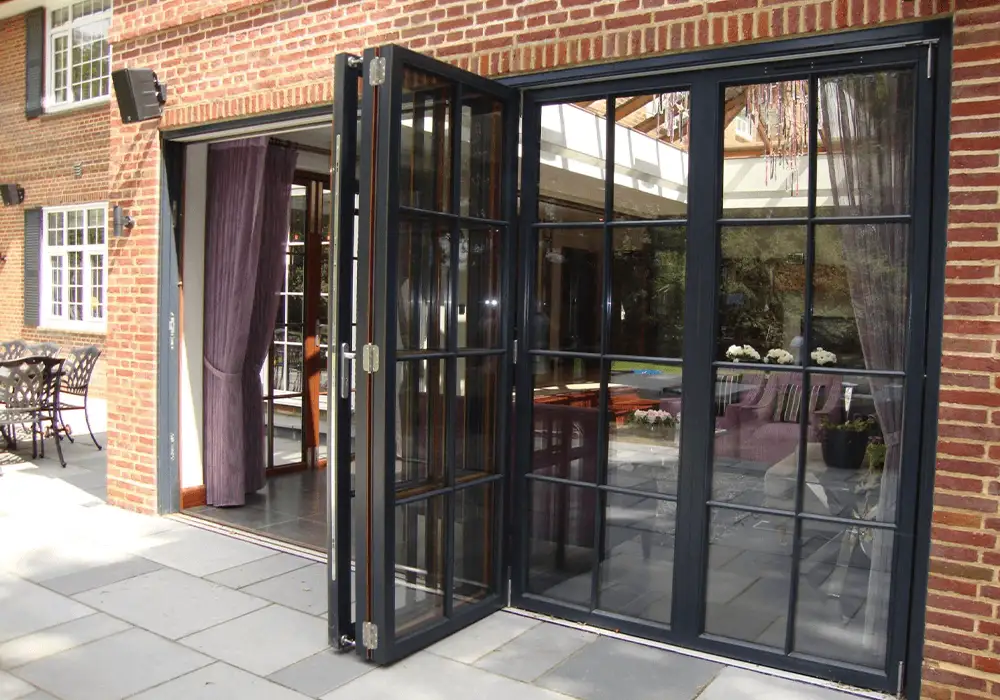
Bifold doors fold back in sections and stack to one or both sides of the opening, creating a wide opening between your conservatory and garden.
Sliding doors move horizontally across one another rather than folding and stacking. This allows you to have generous glazing without needing the same amount of space at either side of the opening, which can be particularly useful in a smaller conservatory.
Choosing your frame material
The material you choose can affect the visual appeal, performance and overall feel of your doors.
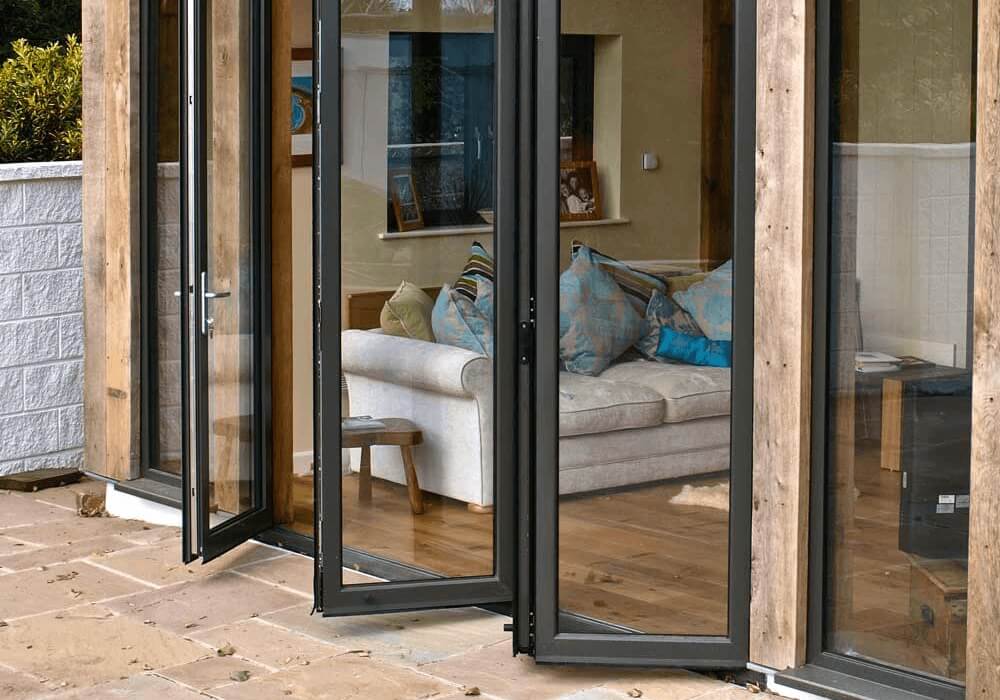
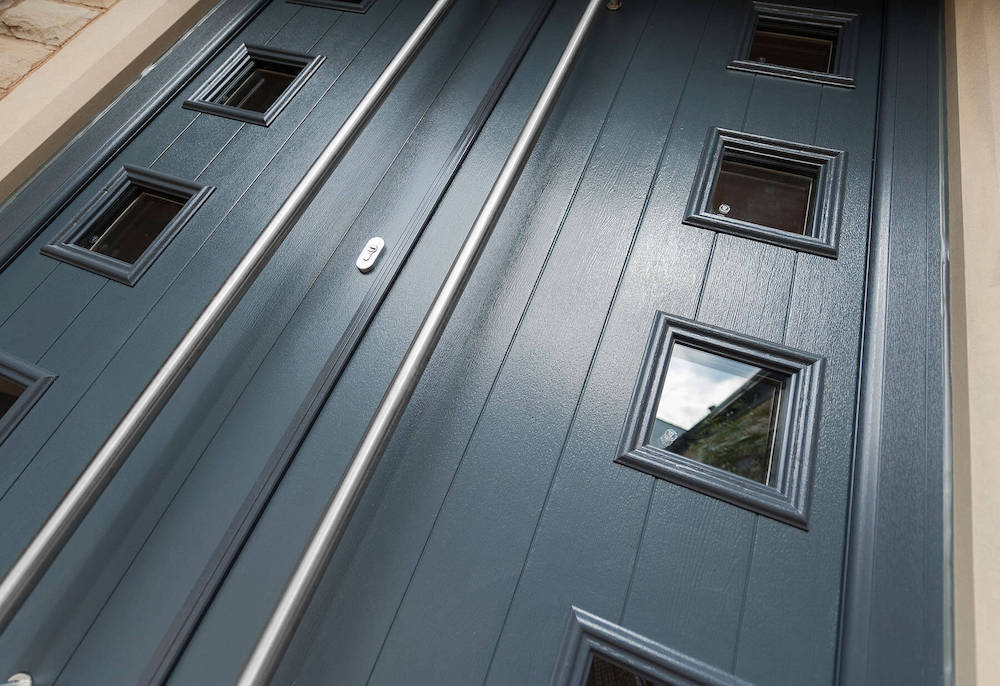
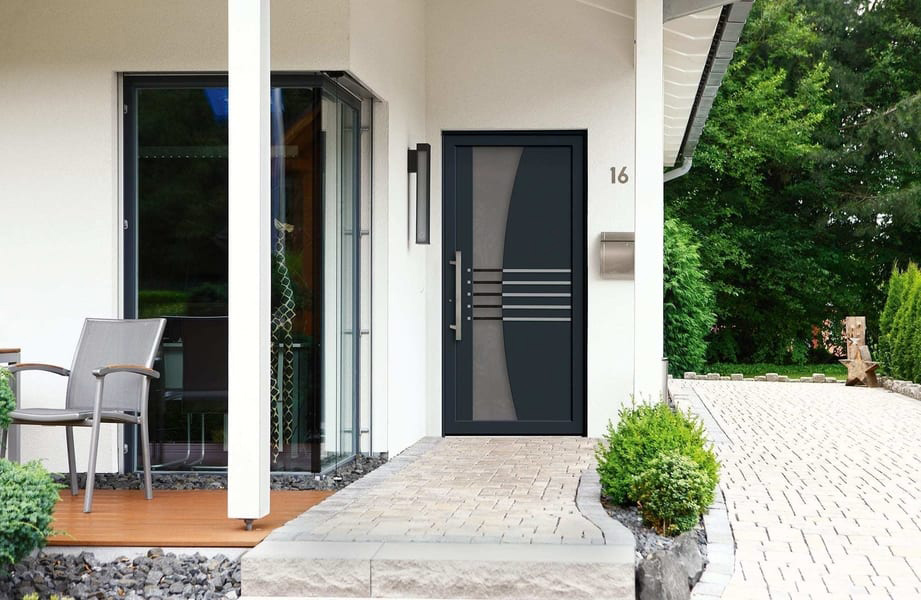
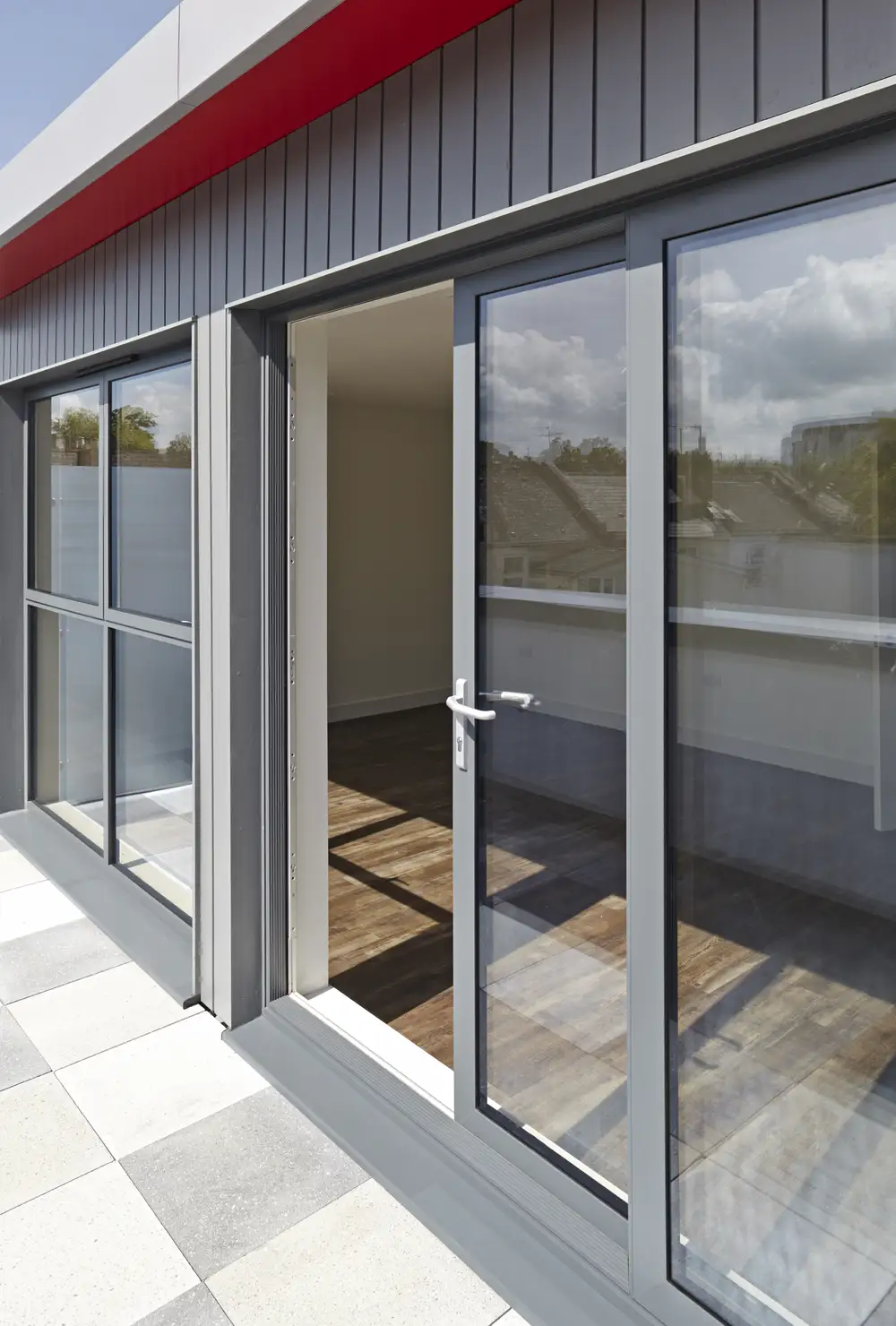
Aluminium patio doors are popular for contemporary conservatories, combining slim sightlines and large areas of glass with a range of colour choices and customisation options. Anthracite grey is one option for a modern finish.
UPVC patio doors offer a practical option with strong thermal efficiency and a range of styles and finishes.
Timber sliding doors can bring natural warmth and character to a conservatory, making them particularly suited to period properties and traditional designs.
Glazing, ventilation and security
The glass and supporting features are also worth considering when planning your conservatory doors.
Double glazing is common for conservatory installations, while triple glazing may offer improved thermal performance and noise reduction where the chosen system supports it. The right glass type will depend on your conservatory and the performance you’re looking for.
Modern conservatory doors can also incorporate security features such as multi-point locking and safety glass, depending on the specification. This can give you greater peace of mind when your conservatory opens directly onto your garden.
Ventilation is another consideration. If your conservatory already has trickle vents or other background ventilation, these can support air circulation and fresh air. Your overall requirements will depend on the design and existing features of the conservatory.
Design ideas for your new conservatory
Sliding doors can work across a wide range of conservatory styles, with different layouts offering plenty of inspiration for how to make the most of your space.
Victorian conservatories
A Victorian conservatory has a traditional character, with a faceted shape and central entrance. A centrally positioned sliding door set can create a clear focal point while providing a strong connection with the garden.
Edwardian conservatories
The wider, symmetrical layout of an Edwardian conservatory gives you flexibility when positioning your doors. A larger sliding opening can make the most of the straight rear elevation while providing broad garden views.
Lean-to conservatories
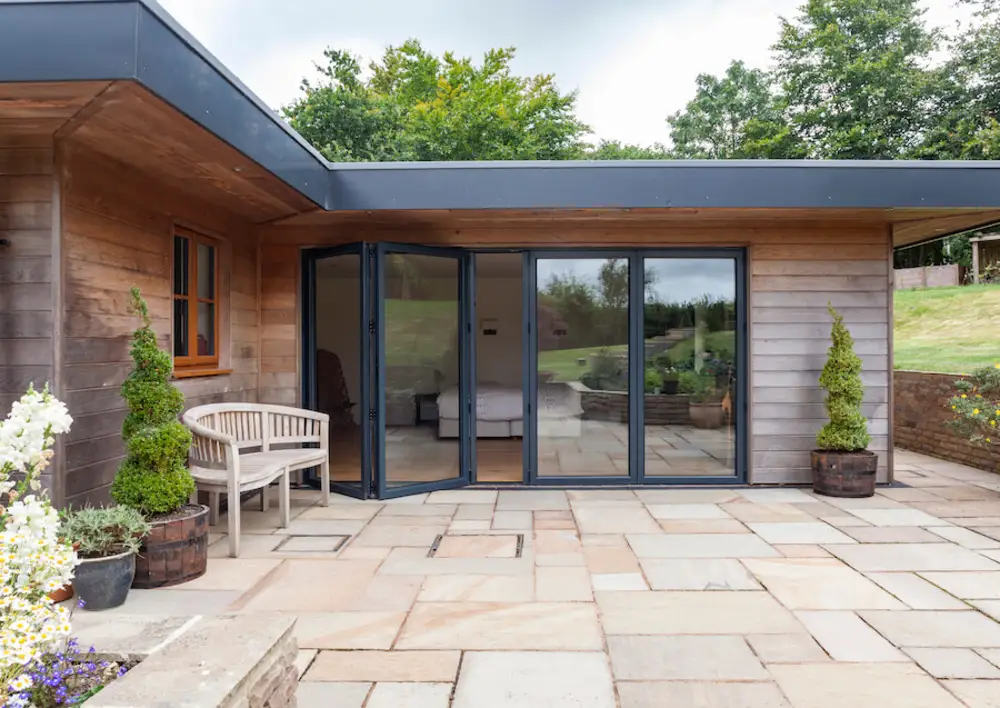
For a contemporary lean-to design, aluminium patio doors can complement the clean lines of the structure. Slim sightlines and large glass areas help maintain a simple appearance while bringing natural light into the living space.
P-shaped and T-shaped conservatories
P-shaped and T-shaped conservatories give you different options for positioning your doors. You might place sliding doors at the end of the main living area to create a direct route into the garden, or use them on a wider section to maximise glazing and views.
Think about how you’ll use the space, too. A door arrangement that works for a dining area may be different from one designed around a lounge or family space.
FAQs
Are sliding doors suitable for smaller conservatories?
Yes. Sliding doors don’t require the floor clearance needed by hinged doors, making them a practical option for smaller conservatories where every bit of usable space matters.
Do sliding doors make a conservatory lighter?
Large glass panels can help maximise natural light, particularly when combined with slim sightlines. However, overall light levels will also depend on the conservatory’s size, orientation, roof design and other glazing.
What is the best type of door for a conservatory?
There isn’t one door type that’s right for every conservatory. Sliding doors can be a good choice if space efficiency, large areas of glass and garden views are important to you. French doors offer a more traditional hinged design, while bifold doors can create a wider opening when folded back.
The best option will depend on your conservatory’s layout, available space and how you want to use the room.
If you’re replacing existing external glass doors, it’s also worth checking whether Building Regulations apply. We can advise you based on your project and the type of doors being fitted.
Plan your conservatory with sliding doors
If you’re planning a conservatory with sliding doors, or thinking about updating the doors on your existing space, our team would be glad to talk through your options.
Get in touch with our team for a free consultation or free quotation, and we’ll help you find the right door set for your home.