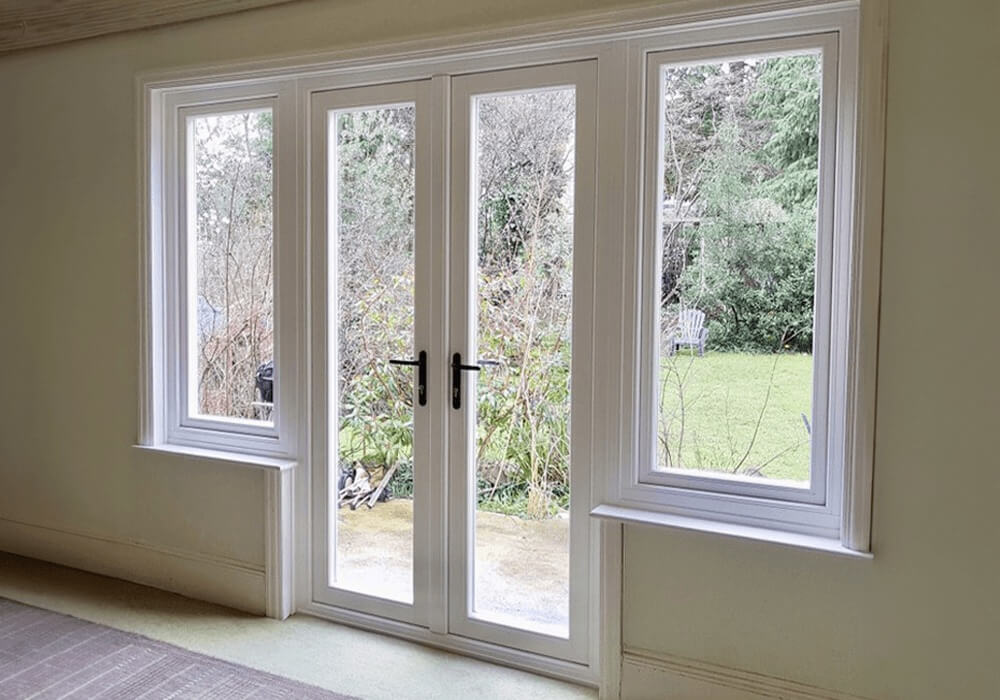
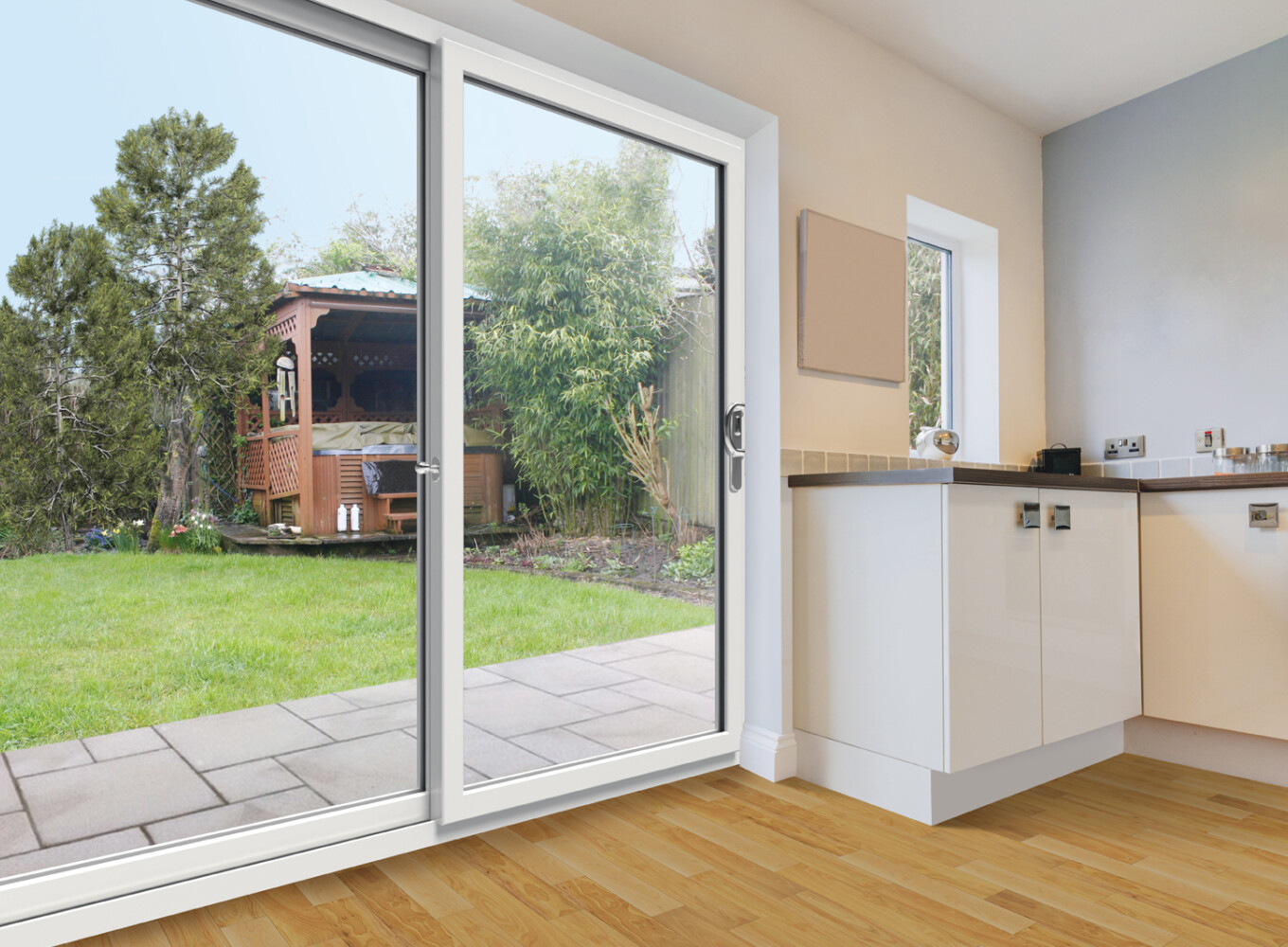
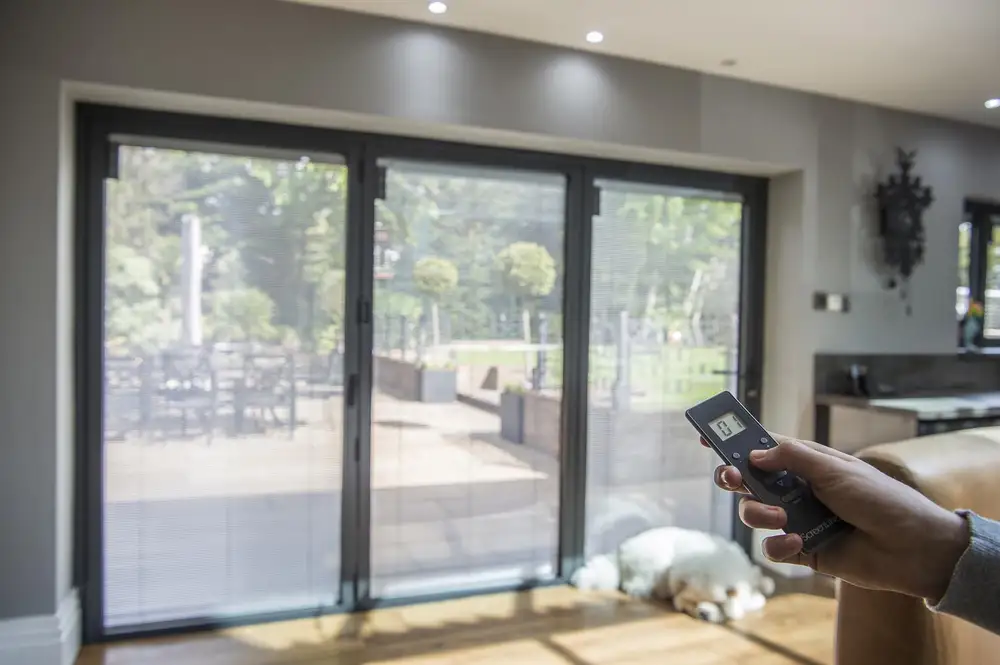
Types of Bifold Doors for Orangeries and Conservatories
- 1 Sep 2026|
- News|
- Posted by Paul Davies
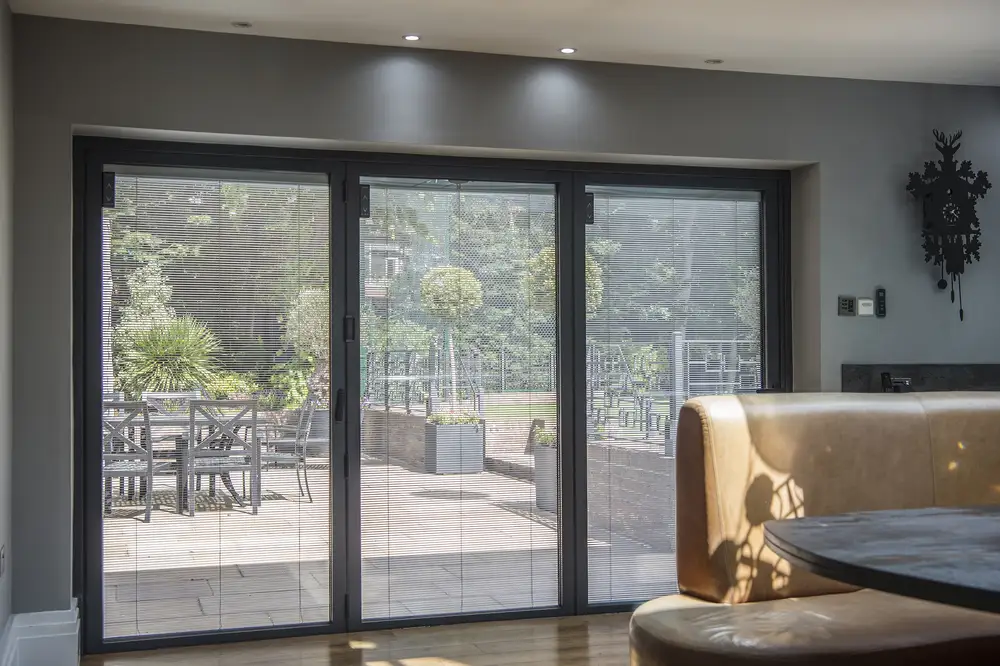
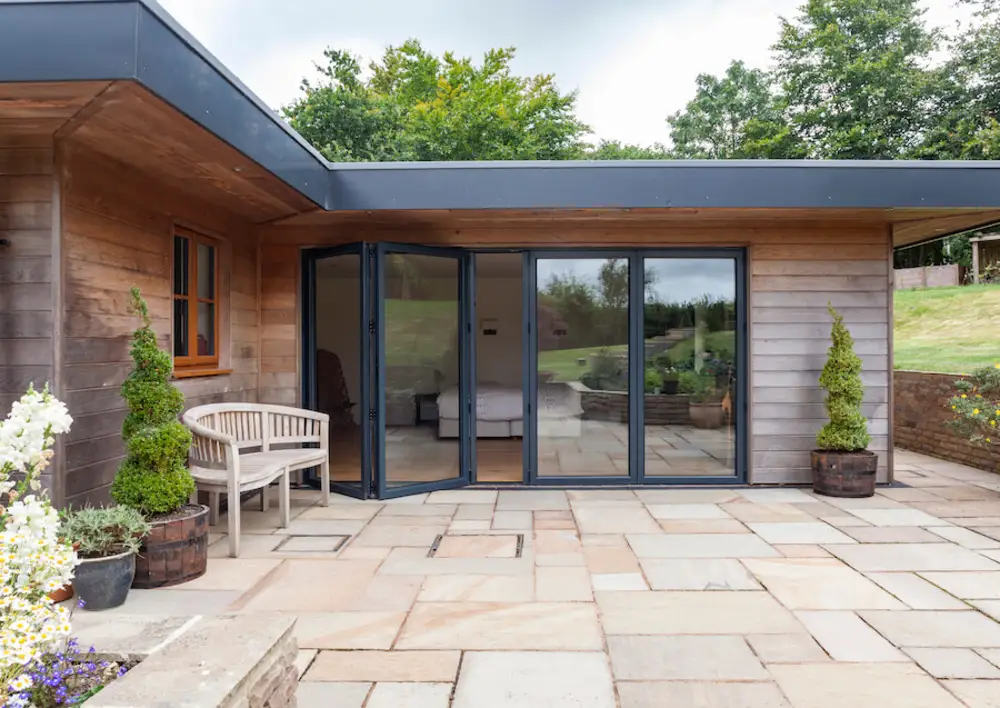
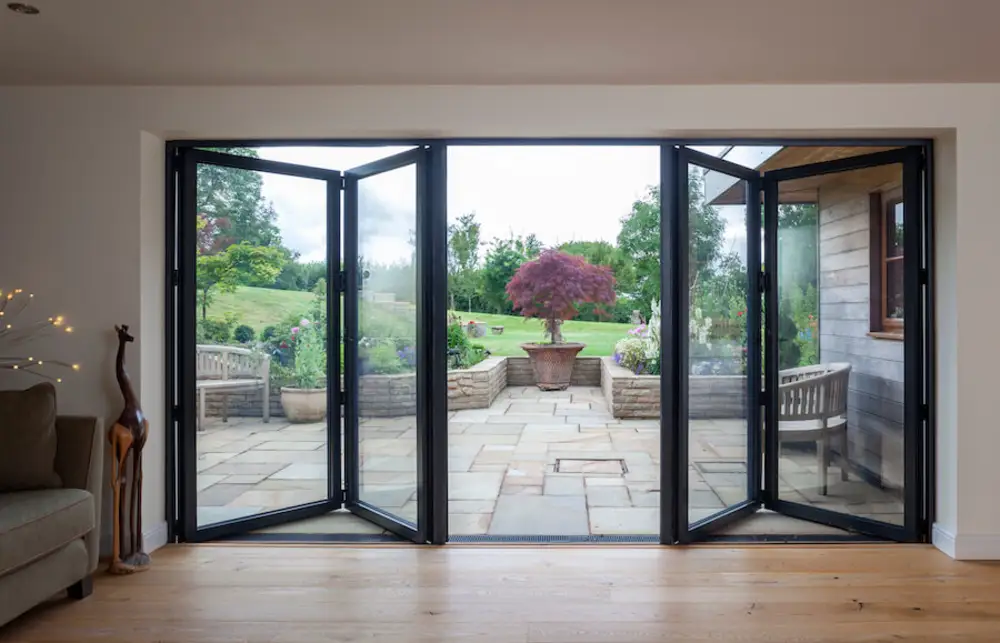
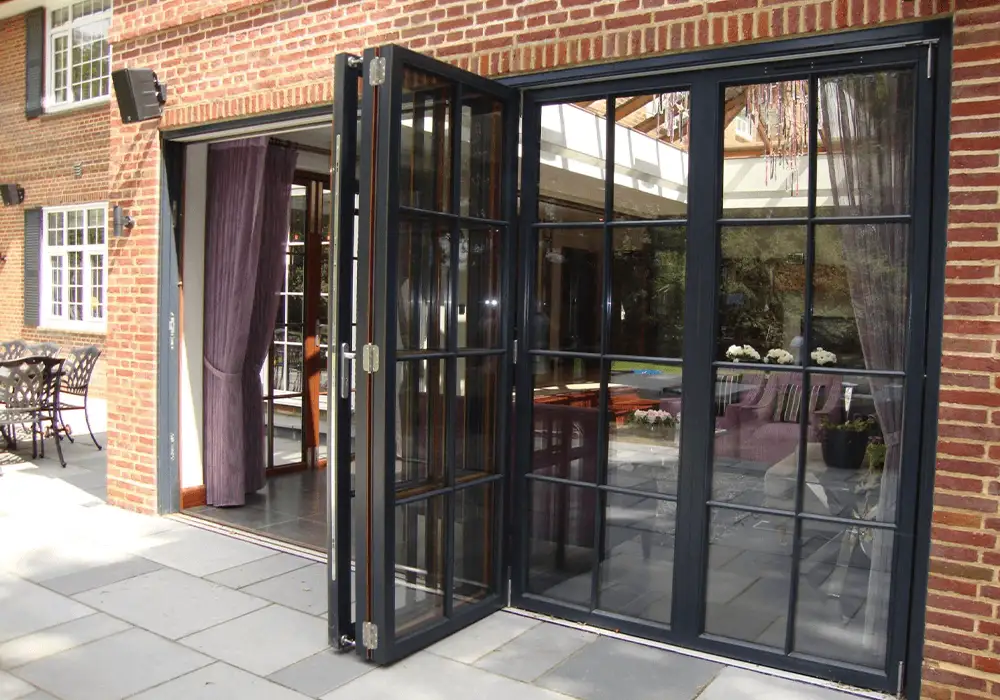
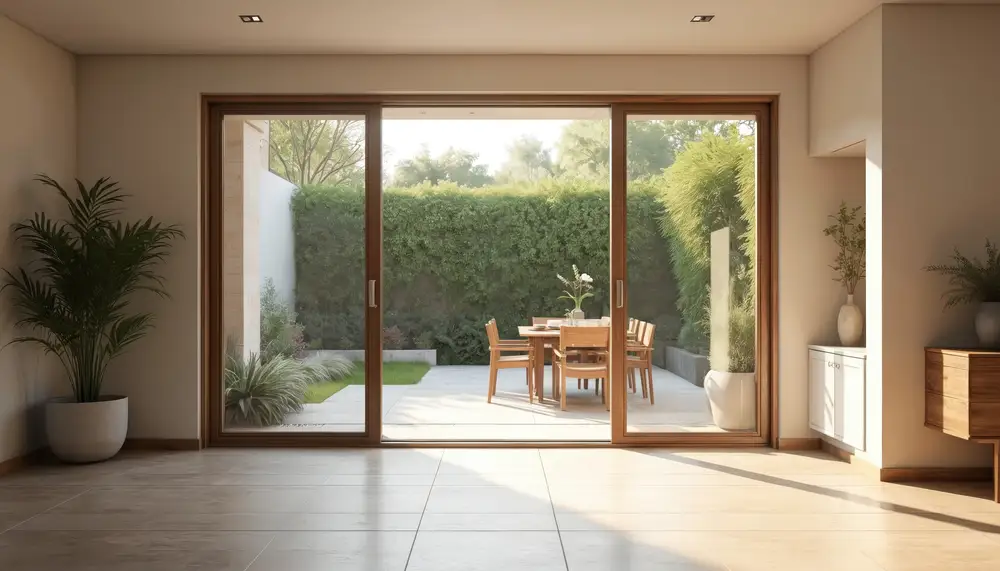
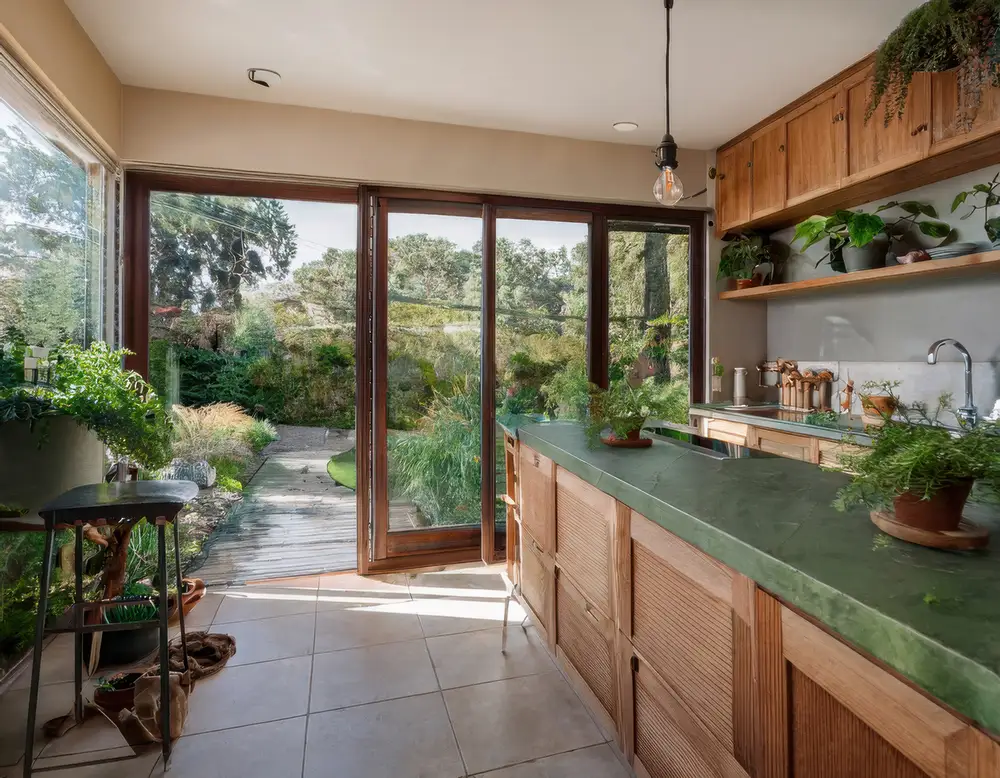
Connecting your indoors directly with the garden is one of the most sought-after home improvement goals for modern property owners. A bifold door uses a clever concertina mechanism, allowing multiple door panels to fold neatly back against the wall when opened.
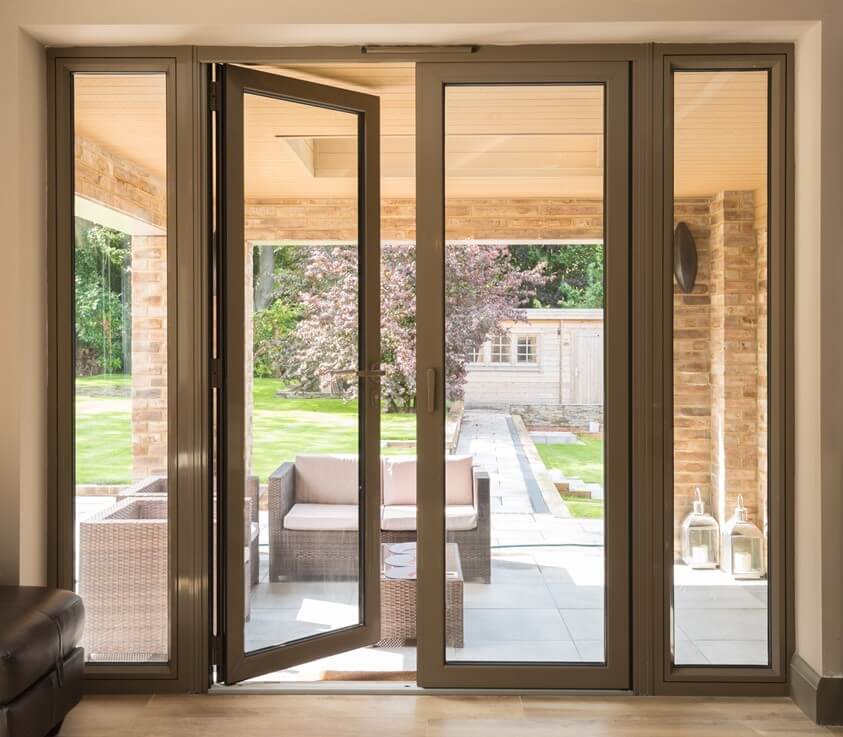
Instead of swinging inward or outward like standard French doors which require door clearance space, these door systems glide smoothly along a top and bottom track, transforming a standard opening into a wide, unobstructed gateway. Bifold doors can also be customised to fit unusual openings or sizes, making them a flexible solution for a range of architectural designs and unique spaces.
At The Little Window Company, every member of our team cares deeply about their work, and we have the experience needed to help homeowners make the best decision for them. In this blog we’ll take a look at some of the options to guide you to the best choice.
Comparing timber, aluminium and uPVC options
When homeowners research the different types of bifold doors, comparing framing materials is the critical first step. Each option offers unique structural benefits, different maintenance requirements, and aesthetic qualities.
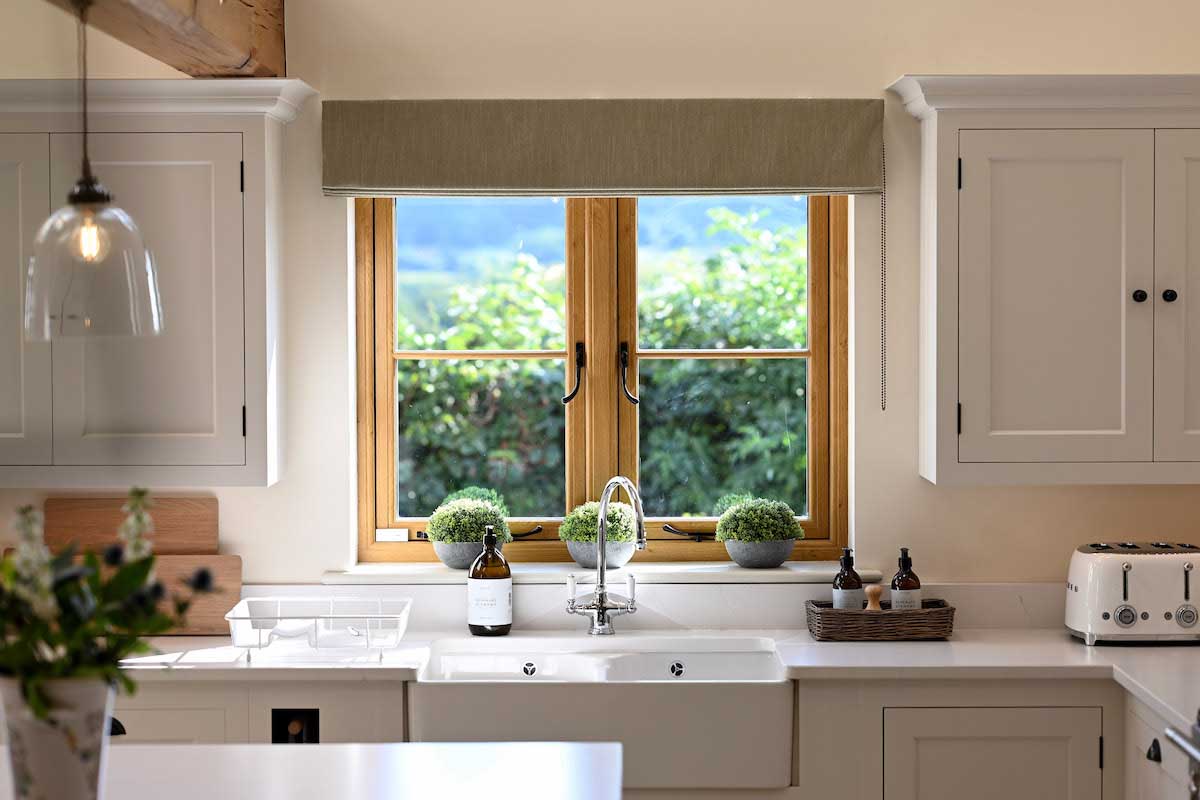
- Timber frames: Deliver natural warmth and traditional charm, making them a favoured choice for period properties. High-grade wooden fold doors require proper care and periodic refinishing, but they offer exceptional natural insulation and timeless craftsmanship.
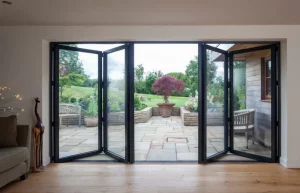
- Aluminium frames: Known for incredible structural strength, aluminium bifold doors can support large glass panels while maintaining ultra-slim sightlines. This resilient material easily handles the weight of the doors over wide spans without warping, rusting, or twisting in changing temperatures.
- uPVC frames: Provide a budget-friendly alternative for standard patio doors and glass doors, offering reliable weather resistance with minimal upkeep, though frames are typically thicker than metal or bespoke timber alternatives.
Maximising thermal efficiency and heat retention
With energy standards continually rising, ensuring your new doors prevent heat loss is just as vital as achieving the right aesthetic look. A well-engineered bifold system acts as a high-performance thermal barrier, keeping cold weather out while retaining indoor heat.
- Timber (best natural insulator): Wood has natural thermal resistance with virtually zero thermal conductivity. Because the material itself does not transfer cold, timber bifolds easily achieve low U-values without needing complex thermal breaks. Their tight thermal stability also prevents frame warping that could otherwise compromise perimeter weather seals.
- uPVC (cost-effective insulation): Multi-chambered uPVC frames trap air inside internal pockets, creating a solid insulating barrier. While highly effective out of the box, uPVC expands and contracts during seasonal temperature shifts. Over wide bifold spans, this thermal movement can occasionally cause minor frame misalignment, putting strain on weather gaskets and letting in subtle draughts.
- Aluminium (High-tech thermal engineering): Raw aluminium is an excellent thermal conductor, meaning it would naturally transfer outside cold indoors. To solve this, modern aluminium bifolds use polyamide thermal breaks (plastic insulating strips embedded between the inner and outer metal frames). Premium thermally broken aluminium performs almost on par with timber and uPVC.
Inside and out: internal versus external applications
Understanding where your doors will be installed changes the technical requirements of the build, as well as the threshold selection.
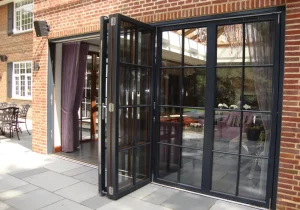
- External bifold doors: Engineered to withstand severe UK weather conditions, high-performance bifolding door systems feature weather-rated thresholds, robust multi-point locking, and low-emissivity double or triple glazing to ensure optimal energy efficiency and security.
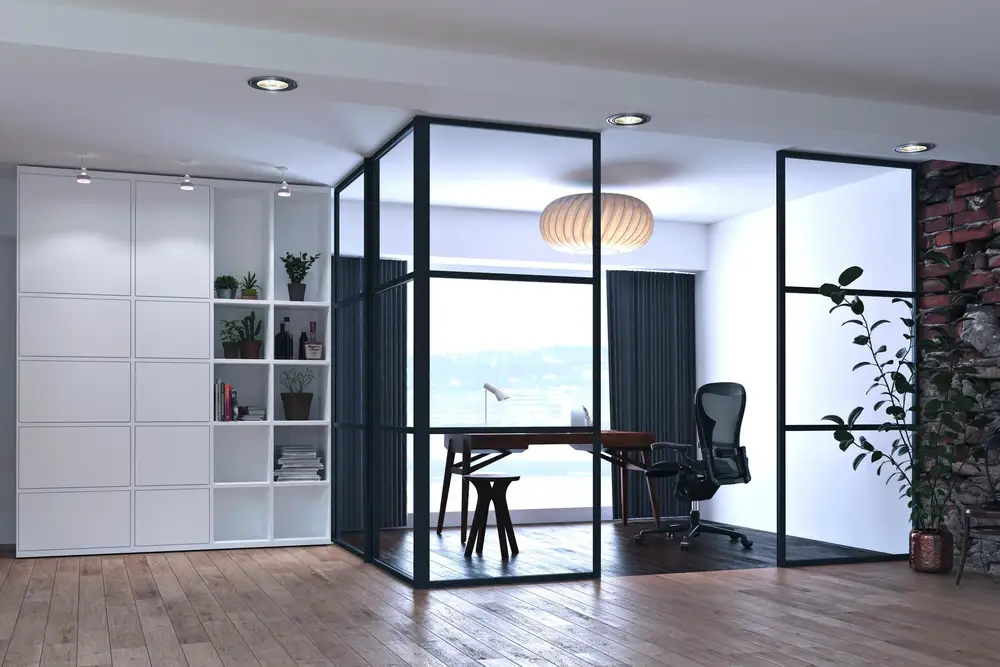
- Internal bifold doors: Used to zone open-plan living spaces without compromising natural light, internal setups omit heavy exterior weather seals. Instead, they focus on smooth indoor operation, low-profile track transitions, and visual continuity between adjoining rooms.
Suitability for orangeries and conservatories
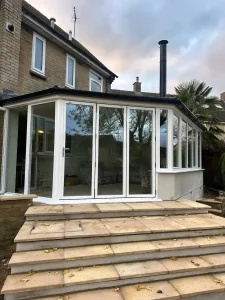
Orangeries and conservatories present unique environmental challenges due to their heavy glass content, making material selection and thermal engineering critical for year-round comfort.
Managing solar gain and heat retention
Large sets of bifolding doors installed on an orangery or conservatory extension flood the interior with daylight. However, to prevent overheating in summer or excessive heat loss in winter, frames must feature advanced thermal breaks combined with solar-control glass to maintain a balanced room temperature.
Layout flexibility and daily access
Configuring the exact number of panels and including an active traffic door (or daily access door) ensures complete practicality. A traffic door operates independently like a standard single door, letting you step outside quickly or let the dog into the garden during colder months without having to unlatch and fold back the entire run of doors.
Common questions about bifold doors
Which material is best for longevity?
Aluminium offers the highest structural durability for wide spans, comfortably resisting corrosion and movement. However, high-end engineered timber provides classic beauty and impressive lifespans if properly maintained, while uPVC doors suit tighter budgets where simple functionality is required.
Do bifold doors, suit conservatories?
Yes, provided the frame specifications comply with current building regulations regarding thermal retention and U-values. Modern thermally broken frames prevent cold bridging, ensuring your extended living space remains warm and usable throughout the winter months.
Do bifold doors add resale value?
High-specification external doors that connect indoor rooms and outdoor spaces consistently enhance property appeal, making them a popular choice for creating the desirable indoor-outdoor flow modern buyers look for, thus making them a worthwhile investment for future marketability.
Get in touch with our team today to transform your home
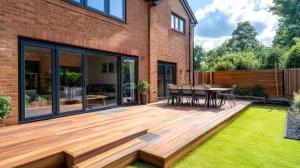
Ready to explore the ideal configuration for your orangery, conservatory, or home extension project, including options for interior bifold doors? Get in touch with The Little Window Company today for expert advice and dedicated service.
- Call our office: 01242 681207
- Email our specialists: info@littlecc.com
- Contact us online: Visit our online contact form to submit your project details directly.