A simple guide to double glazing vs triple glazing
- 27 Jan 2026|
- News|
- Posted by Paul Davies
With winter well and truly upon us, many households will be recovering from the battering of January storms and snow. And with energy prices remaining high, homeowners throughout the country will be looking for ways to keep their homes safe and warm. Upgrading your windows to modern double or triple-glazed windows is recognized as one of the most effective ways to improve your home’s energy efficiency – especially if your current windows are single glazed or old double glazing. In addition to warmth and comfort, installing double or triple glazing can add more value to your property, as buyers increasingly look for homes with energy-efficient features and lower heating costs.
With so many options on the market, The Little Window Company has put together this simple guide to double and triple glazing so you can make the choice that’s right for you, your home and your family.
Does triple glazing work differently to double glazing?
Triple glazing works in essentially the same way to double glazing. By creating a gap between the outside pane of glass and the inside pane of glass, cold can’t easily be transferred into your home – or heat out of it. The main difference between the two types is simply the number of glass panes and the insulating gaps between them. Choosing the right glazing is crucial; double glazing has two panes of glass with one gas-filled gap (usually Argon) between the panes.
Triple glazing has an additional pane of glass and two gas-filled gaps – rather like a triple-decker sandwich! This extra layer provides better insulation against the cold for a more comfortable living environment and better energy efficiency, particularly in colder areas, which can save you energy and money in the long run.
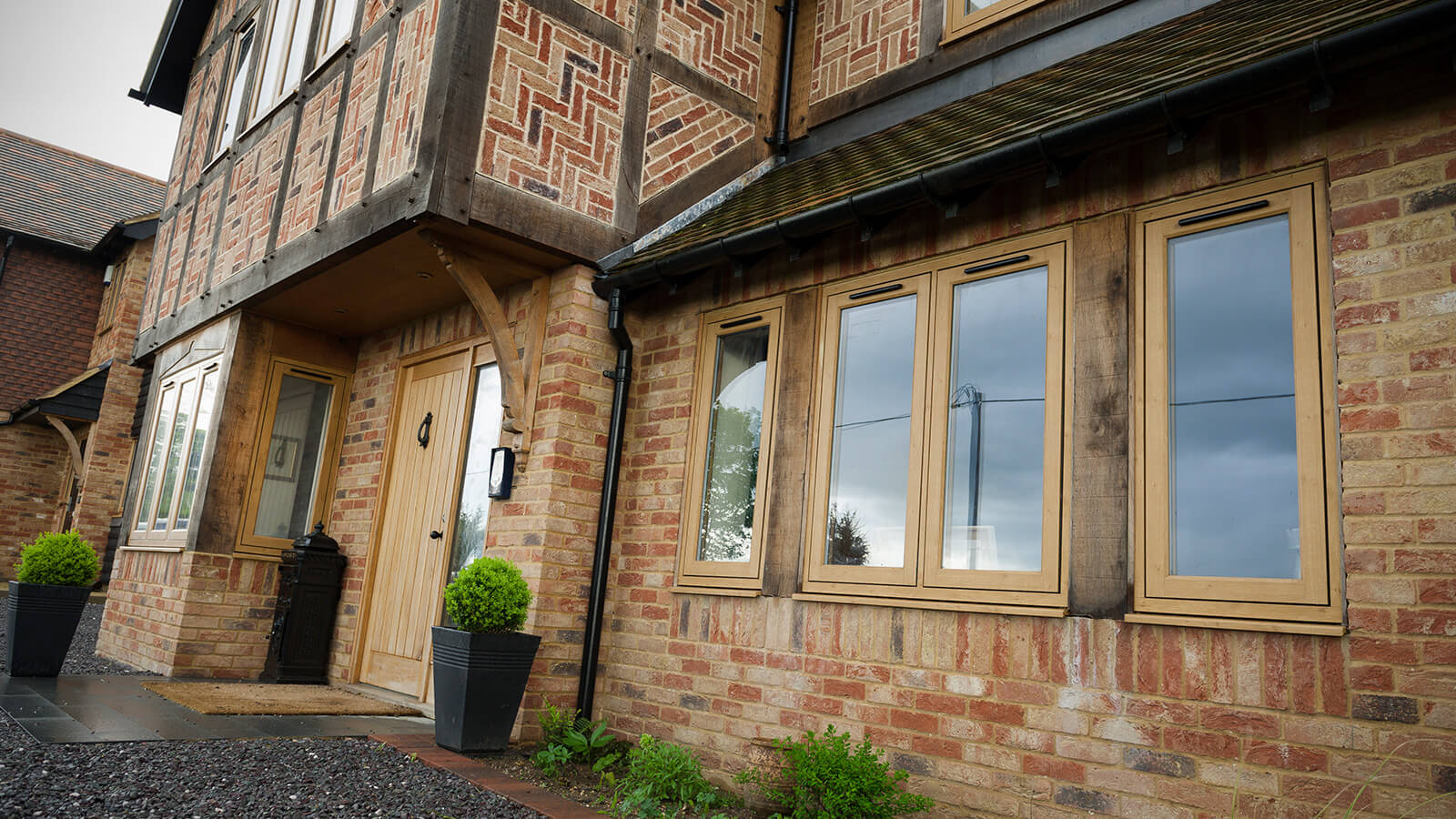
What’s the difference in the performance of double glazing vs triple glazing
The efficiency of a window is measured in something called a U-value. This is a measurement of how much heat loss escapes through a window, with less energy loss represented by the lower the number, the better the insulation against cold air. The U-value is expressed in W/m²K (Watts per
square metre Kelvin). This tells you how many Watts of energy are lost through every square metre of the window for every degree of temperature difference between the inside and outside.
Single-glazed windows have a very poor U-value of around 5 W/m2K, and even older double glazing only reaches a U-value of around 3 W/m2K. Modern A-rated double glazing for replacement windows, however, can be a better option as it boasts a U-value of around 1.2 W/m2K, helping to reduce heating bills, and considering the choice of frame materials, triple glazing goes even lower to around 0.8 W/m2K, delivering exceptional thermal efficiency.
With this thermal performance comes increased soundproofing, and significant energy savings too. With a single-glazed window, typical noise reduction is only around 20dB, but double and triple glazing will reduce much more outside noise levels – 30dB and up to 35dB respectively.
Is triple glazing more expensive than double glazing?
Triple glazing does come at a higher cost, typically costing 15% to 25% more than double glazing. But of course, over time your new windows could deliver the right choice for a warmer home, with lower energy bills and reduced noise pollution.
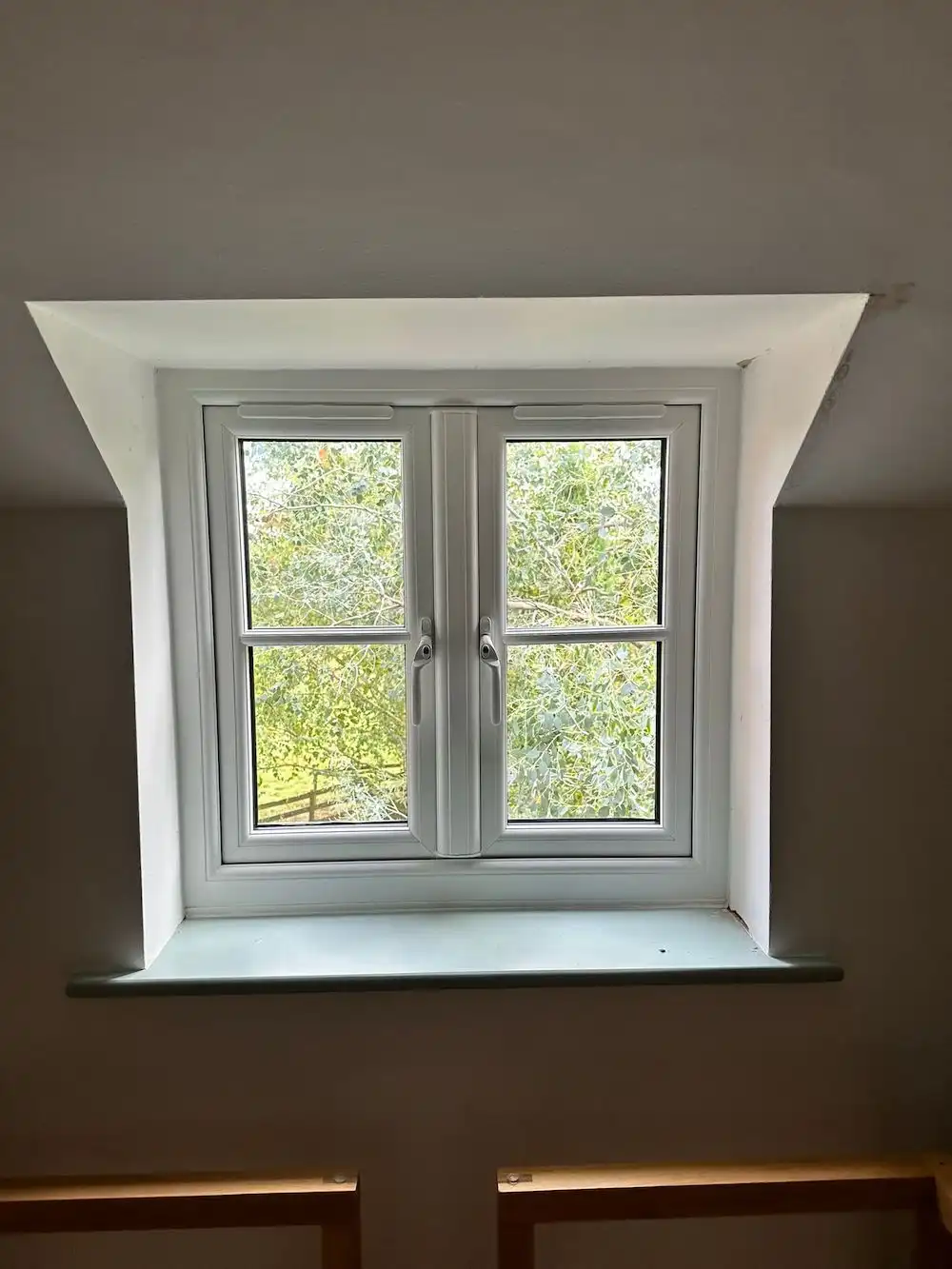
Should you choose double or triple glazing?
Here at the Little Window Company we have decades of experience in sharing our local expertise with our customers. With all styles of windows available from us, from bay and bow windows to truly bespoke timber options – we offer double and triple glazing available on most options.
Choose double glazing if:
- You are on a budget: It offers the best “bang for your buck” and meets all current UK building regulations, contributing to improved energy performance.
- You have a south-facing room: Triple glazing can actually block too much “solar gain” (free heat from the sun), making south-facing rooms feel cooler in the spring and autumn.
- You live in a mild climate: For most of southern England and Wales, modern A-rated double glazing sufficient.
Choose triple glazing if:
- You have north-facing rooms: These rooms get no sun and stay cold; triple glazing will make a massive difference in comfort.
- You live in a noisy area: If you are near a motorway, airport, or busy road, the extra pane helps dampen noise.
- You want maximum comfort: Triple glazing eliminates “cold spots” near windows, meaning you can sit right next to a window in mid-winter without feeling a draught.
Ready to find out more?
Request a no-obligation free consultation for your new home improvement project that will enhance your property for years to come, or take a look at our gallery to see how we could transform your home.